
 EN
EN
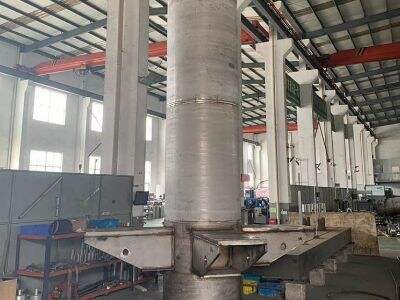
A custom pressure vessel is one of the most effective things to consider when having one made is something you’ll want to consider the wall thickness. The wall thickness simply represent how thick the side of the vessel are. Too thin, though, and the vessel could burst under pressure. Too thin, and it may be too heavy or costly to produce. We at Hongyuan know how to strike a happy balance. We want to ensure our pressure vessels are safe, strong and not too heavy. This blog post will help you learn how to calculate the ideal wall thickness for your custom pressure vessel
How to Calculate the Optimal Wall Thickness for Custom Pressure Vessels
The key to finding the right thickness for a wall begins with knowing what you will store in the Pressure Vessel. For instance, if it’s going to be holding gas or liquid under high pressure, its walls will need to be thicker than if it’s just containing something held at normal pressure. You can calculate with a formula which includes the pressure and material of the vessel. This formula gives us a way of calculating how thick our walls should be. One way to think about it simply is that the higher the pressure, the thicker the walls have to be. But it is not just pressure. The temperature inside the vessel is also a factor. If the vessel is going to be intensely hot, you might also need thicker walls. Another thing to take into account is the size of the bowl. The walls of a bigger ship may also have to be thicker, to bear the weight. At Hongyuan, we collaborate with our clients to accumulate all of this information so that the optimal decision can be made for each individual case. We also want to ask: What will the vessel be used for and what kind of materials do you like? Then, after we have collected this data, we can simulate on a computer to see how the vessel will respond under different loading conditions
Which Are The Factors That Affect The Wall Thickness Of Pressure Vessels
There are a number of factors that can affect the wall thickness requirement for a pressure vessel. One of the primary factors is the vessel’s material composition. Some materials are more resilient than others. For steel is usually used, as it can withstand high pressure. But if we employ something like plastic, we may have to thicken the walls because plastic isn’t as adept at dealing with pressure as steel. Yet another is the space in which the container will 241 be employed. If it will be in a location with extreme temperatures or chemicals, the wall thickness has to be modified. It’s safety first; we need to be confident the pressure vessel will not rupture. The shape of the vessel also matters a lot. And some shapes, including cylinders, are better at resisting pressure than others. A well-designed vessel may sometimes get by with less thick walls. Here at Hongyuan, we consider all of these factors when designing and fabricating a custom pressure vessel for you. We also look at industry norms and rules which dictate minimum wall thicknesses to provide for safety. This way, we are not just considering what the vessel needs now but also how can use this in the future. It’s simply about making certain that the pressure vessel you customise is not just fit for purpose, but also ultimately safe and reliable
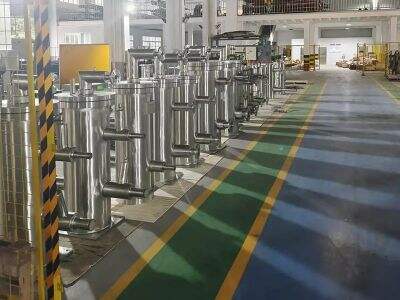
How to Strike the Right Balance of Price and Quality in Custom Pressure Vessel Fabrication
Cost vs. Quality -To keep custom pressure vessels affordable, there has to be a balance with quality. A pressure vessel is a closed container designed to hold gases or liquids at a pressure substantially different from the ambient pressure. Hongyuan, like many companies, wants to ensure that its pressure vessels are strong and safe, but it also hopes to do so while costing as little as possible. There are practical ways to balance cost and quality, and choosing the right materials is a good place to start. With stronger materials, the wall of the vessel can be made thinner, and this decreases material costs. But if the material is too thin, it may not be able to withstand pressure. That’s why you need to look for a good material that is strong but won’t break the bank. Another factor to consider when balancing cost and quality is the design of the pressure vessel. A well thought-out hull can maximize the materials because you actually use less in a stronger form. Engineers at Hongyua pressure vessels are required to achieve some safety standards in ensuring they could safe be used. Following these standards can sometimes make things more expensive, but they are necessary for quality and safety. And, finally, being close to suppliers can often help businesses like Hongyuan get better pricing on materials. And by forging good relationships with suppliers, they sometimes can tap discounts or better deals on the materials they need
What are common usage problems of pressure vessel wall thickness
Pressure vessels are walls thick enough to contain pressure but not so thick that they become prohibitively expensive. Now, corrosion is a frequent cause of wall thinning. Some materials get rusty or rot as time goes by, which makes the walls less strong. Thin walls in the vessel would not be able to withstand the pressure of the materials within. This is something Hongyuan has to take into account for their vessels. Doomsayers will recommend using corrosion-resistant materials or applying a coating to prevent rust. Another issue is fatigue. The walls of a frequently used pressure vessel can eventually weaken from the repeated strain. When the walls are too thin though, they can crack or break over time. This is why Hongyuan examines the use of the pressure vessel before choosing its wall thickness. If you plan to use the vessel in a really active area, they may recommend thicker walls. Temperature is also a factor. Certain materials can expand and contract as temperatures rise and fall, leading to stresses in the walls. If the walls are not strong enough to bear this stress, they might collapse. Naturally, Hongyuan takes the temperature when calculating the appropriate thickness of product. Finally, there are problems associated with the process of manufacture. Occasionally, if the wall is too thin, it becomes difficult to weld or join with other parts. That can cause leaks or other problems. At Hongyuan, engineers test various thicknesses, working to strike the right balance for each particular use
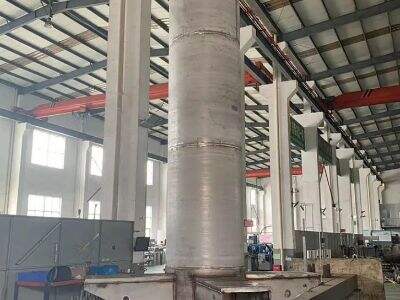
What are the new developments in thickness optimization of armour
In the past, various attempts have been made to optimize the wall thickness of pressure vessels; in recent years there has been a development towards this end. Some of the most significant new advances involve materials. New, lighter and stronger materials, including at Hongyuan, are beginning to be used by many companies. Thinner walls are permitted due to these materials and so long as it does not sacrifice safety. This could make pressure vessels more efficient and less expensive to manufacture. Another trend is the application of computer models and simulation. Software can be used today by engineers to model pressure vessels digitally. This will allow them to to test how various wall thicknesses will perform under squeeze. By simulating various scenarios, engineers at Hongyuan can determine the optimal wall thickness long before manufacturing begins. This saves time and money. There is also increasing concern with sustainability. There is increasing demand for companies to make their pressure vessels environmentally friendly. This could be in the form of using recycled material or vessels with a lower energy consumption during production. Hongyuan is also researching ways to make its pressure vessels more sustainable, while maximizing wall thickness. Another change is the embedding of smart technology. It also helps to make sure the vessel is running safely, and could notify users of a problem. By intelligently designing wall thickness around these smart features, companies can use the flexibility to reduce weight, and improve safety and performance. Finally, we are seeing an evolution towards adherence to international norms. Manufacturers like Hongyuan must rush to keep up with the ever-evolving regulations. By being educated and versatile, they can feel confident their vessels meet the newest safety and quality standards. the most recent advances in pressure vessel wall thickness optimization are related with new materials, computer simulations, the use of sustainable technology and intelligent equipment as well as conformity to legislation
Table of Contents
- How to Calculate the Optimal Wall Thickness for Custom Pressure Vessels
- Which Are The Factors That Affect The Wall Thickness Of Pressure Vessels
- How to Strike the Right Balance of Price and Quality in Custom Pressure Vessel Fabrication
- What are common usage problems of pressure vessel wall thickness
- What are the new developments in thickness optimization of armour