
 EN
EN
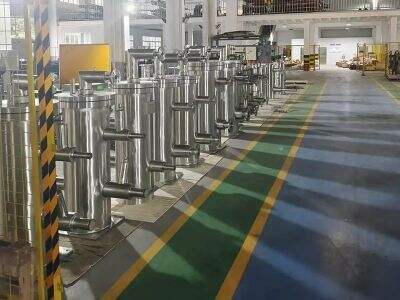
This testing involves the use of air to test for leaks or pipe failures. Safety rules must be observed by everyone taking part to avoid accidents. Here at Hongyuan, we treat safety as a matter of paramount importance. We need to ensure everyone knows how to keep safe during pneumatic testing.
Pneumatic Testing Safety Standard
This involves including pipes and fittings strong enough to prevent bursting from high air pressure. Each component must be inspected for damaged before testing can commence. Workers are taught to wear textile helmets, goggles and gloves. This will help in avoiding accidents. Training is also very important.
Safety Hazards Associated With Pneumatic Testing Of Piping
Even with the best safety practices, things can go wrong during Pressure piping components is over-pressurization. This happens when the air pressure in the pipes becomes too high. It has the potential to burst pipes or allow fittings to break. Another problem is too little space around the testing area.
Best Practices Explained
Pneumatic testing is one of the crucial ways to determine whether pipes can handle air pressure, without leaking. The testing allows everything to work safely and correctly. But it’s important to adhere to best practices so that everyone stays safe during the testing. First, make sure to give the equipment a quick scan before getting started. Check that the pipes, fittings and tools you're working with are in good condition.
Best Safety Gear for Pneumatic Testing in Wholesale Operations
Selecting proper Pipe System workers from possible hazards while testing takes place. First, let’s think about what sort of hazards are associated with a pneumatic test. You’re dealing with high-pressure air, so it’s necessary to have gear that can withstand potential bursts or leaks. Begin by searching for safety goggles. These shield your eyes from flying debris or unexpected air bursts. Make sure they are well-fitting and comprised of strong materials.
Safety Equipment and Procedures
Safety is important for all stakeholders during Pressure Vessel. First and foremost, be sure to prep with a safety brief prior to testing. Round up the headcount, explain what will happen, the risks and safety precautions. This will also help all students to know what to expect and what they have to do in case of an emergency. Other actions you can take is to have a pressure relief valve.