
 EN
EN
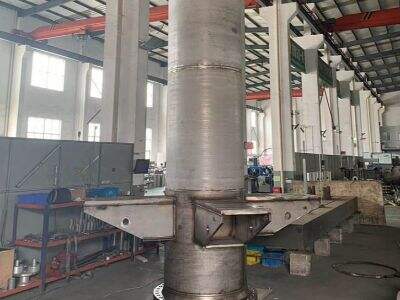
Of key interest is the design of a pressure vessel for cryogens. At Hongyuan, we understand that these tanks store materials at extremely low temperatures and can be challenging. They are applied to a host of areas, including space exploration, medicine and energy. To produce a safe and viable Pressure Vessel, we have to consider closely materials and design. This article will discuss selecting the appropriate materials and the most important factors when designing these unique vessels.
Selecting the Right Materials for Designing Cryogenic Pressure Vessels
Critical selection of materials for cryogenic pressure vessels The materials we use must be strong enough to contain the pressure and low temperatures. Common materials include metal (stainless steel or aluminium). It is a durable, corrosion-resistant form of steel that is highly desirable for longer-lasting vessels). Aluminum is lighter in weight (the advantage is ease of carrying), but may not be as strong as stainless steel. In some cases, a blend of the two materials in an alloy is used to obtain the advantages of both.
Thermal conductance is the other contributing factor. The materials should also not let heat slip away too fast, because this can screw up the contents. Layers of insulation foam or vacuum, for instance can help to keep the cold in. This Pressure piping components is comparable to the action of a thermos bottle. It’s not the most dynamic beverage out there, but it keeps hot drinks hot and cold drinks cold.
What are the important design points for cryogenic uses?
There are many important factors to consider when designing a cryogenic pressure vessel. First we have to discuss the pressure values. These vessels need to be leak-proof and crack-resistant under high pressure. Hongyuan’s engineers scrupulously calculate the maximum pressure to make sure it is safe.
We'll now take a glance at the vessel's form. A common choice is round, which spreads pressure across a surface. But it has to fit the field of the place where you’re making your work. Occasionally, one may require a specific shape particularly for novel application.
Thermal management is a big part of the design process, as well. The contents need to be kept cold, so insulation is key. Implementations of insulation vary with a variety of types, and getting it right can pay off with a big difference in performance. For instance Pipe System vacuum insulation is very effective but also more difficult to manufacture.
Typical Causes of Failure in Cryogenic Pressure Vessels and How to Avoid Them
Cryogenic pressure vessels are special containers that hold gases or liquids at very low temperatures. But there are also problems encounters in their usage. One problem is that the materials can become brittle in cold weather. This makes them vulnerable to cracking or breaking. To fix this, companies like Hongyuan uses materials that are strong and weather resistant, including certain grades of steel that is formulated to withstand high pressure in freezing condition. Another issue is that leaks can occur, due to the high pressure in these vessels.
What is New In Cryogenic Pressure Vessels?
The cryogenic pressure vessel world is constantly in flux, and there are new concepts that can improve upon them. A plethora of encouraging new materials are now available which are lighter and stronger. This makes the vessels more easily transportable and easier to install, although also still safe. Hongyuan is a leader in applying these new materials that are impervious even to extreme cold. Better insulation is another innovation. New technologies like vacuum insulation are making these vessels more efficient than ever before. This enables them to keep the cryogenic liquids cold for longer, which saves energy and thus money. Cryogenic pressure vessels are also integrating smart technology.
What Are the Cost Drivers in Cryogenic Pressure Vessels Design?
There are a number of costs to be considered when designing cryogenic pressure vessels. For one, the materials utilized are often quite costly. Though higher quality steel and better insulation materials generally cost more than standard ones. Yet, it’s worth the investment because these items provide peace of mind and longevity. Companies such as Hongyuan have realized that while the upfront costs may be high, with good materials they can actually end up saving money over time by avoiding having to replace or maintain them constantly. The design and engineering cost is another factor.
Table of Contents
- Selecting the Right Materials for Designing Cryogenic Pressure Vessels
- What are the important design points for cryogenic uses?
- Typical Causes of Failure in Cryogenic Pressure Vessels and How to Avoid Them
- What is New In Cryogenic Pressure Vessels?
- What Are the Cost Drivers in Cryogenic Pressure Vessels Design?